“In the end, kids won’t remember that fancy toy or game you bought them; they will remember the time you spent with them.”
— Kevin Heath
We went looking for a new camper—and learned how much the right questions matter.
If you are wondering why we chose RV camping in the first place, start with Why We Started Camping.
There’s a certain mix of excitement and mild panic that comes with saying, “We’re buying a new camper.” It’s kind of like announcing a new baby — everyone congratulates you, but deep down you know it’s going to cost more than you planned, take longer than you expect, and test your patience in ways you can’t yet imagine.
What We Were Replacing
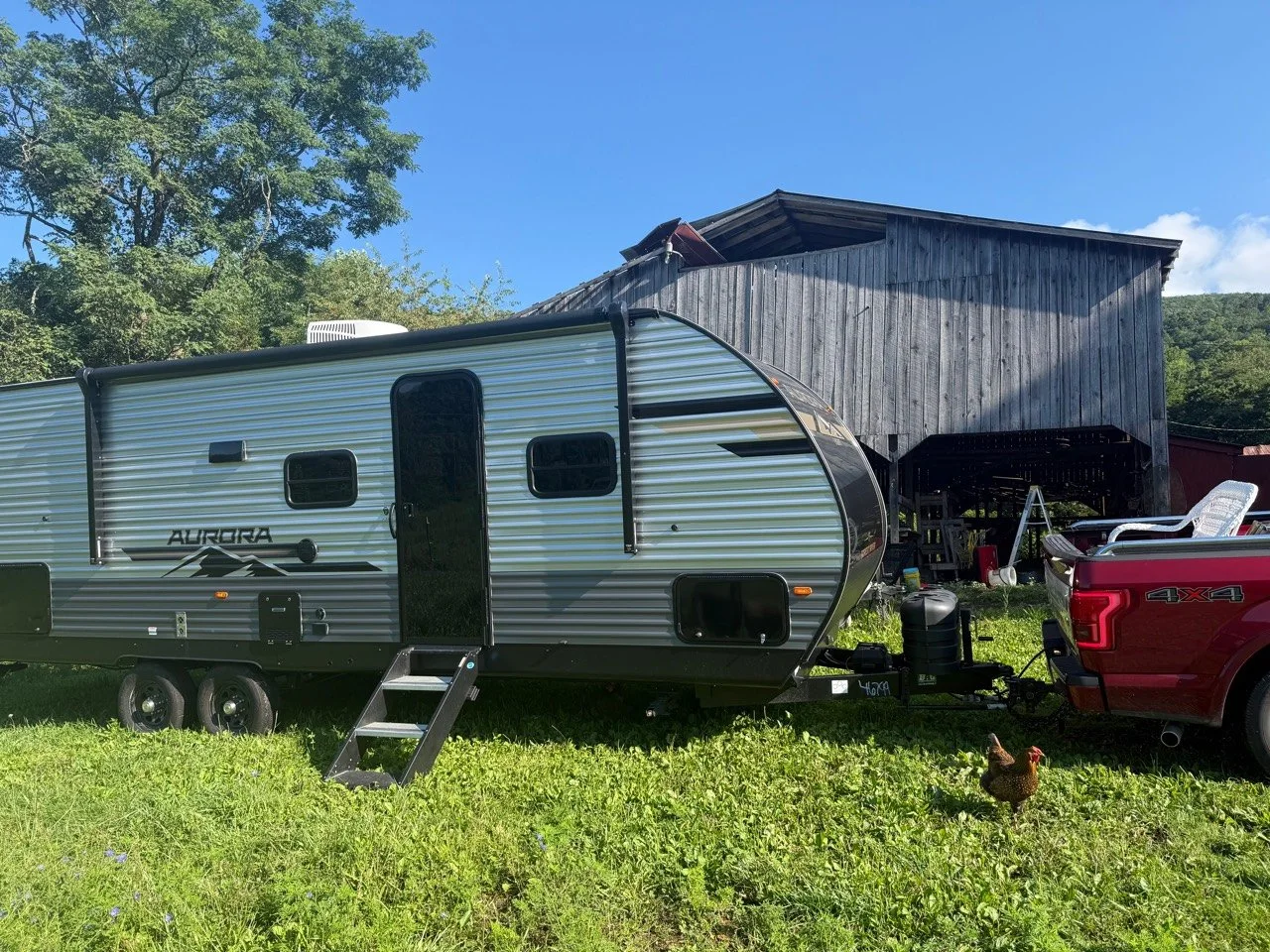
We’ve been rolling in a 2009 27-foot travel trailer that’s done its job and then some. It’s light enough to tow (around 4,700 pounds) and has carried us on plenty of adventures with my wife, our daughter, and our two dogs.
By the time we started shopping, the old rig was showing its age. The floor has a “why does this spot feel squishy?” area that refuses to explain itself. The siding has developed a gentle wave pattern that’s less “modern design” and more “mystery ripple.”
It became clear that our version of “roughing it” was ready for an upgrade. Sami loves camping — as long as the coffee brews, the AC hums, and there’s enough elbow room to get ready without bumping into the dogs. She’s right, of course. A little comfort goes a long way toward keeping everyone happy.
So, it’s time to trade up to something newer, bigger, and built for family comfort — a modern bunkhouse-style camper that makes campground life feel a bit more like home.
What We’re Looking For (and What We’ve Learned)
Shopping for campers can be like wandering through a shiny maze of possibilities. It’s easy to get distracted by glowing LED lights, electric fireplaces, and the idea of “glamping.” But after years of trial, error, and one squishy floor later, we know what really matters.
Here’s our real-world Camper Buying Checklist — equal parts practicality and humor, shaped by lessons learned the long way.
RVFamAdventure’s Camper Buying Checklist
1. Check for Damage — Especially the Hidden Kind
- Walk every inch of the floor — soft or spongy spots are red flags.
- Look for waviness in the siding or bubbles under decals — often signs of water issues.
- Inspect the roof seams, window seals, and underbelly for cracks or patchwork repairs.
- Open every cabinet and storage hatch; if it feels damp or looks patched together, think twice.
2. Match the Weight to Your Vehicle
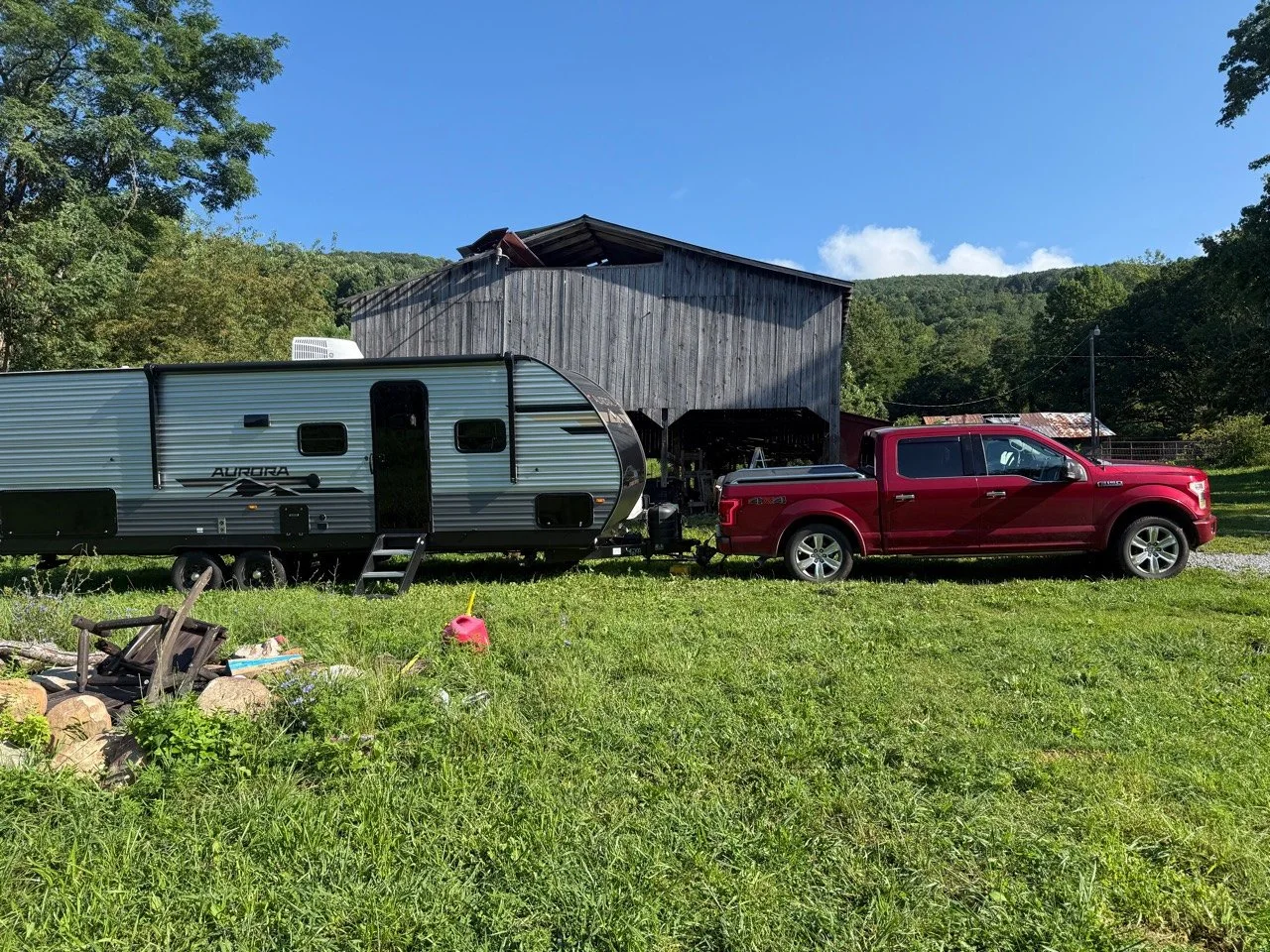
- Check the tow vehicle’s specific tow rating, payload sticker, axle ratings, hitch limits, and the trailer’s loaded weight—not only a brochure headline.
- Account for passengers, cargo, hitch weight, optional equipment, water, bikes, and pet gear when reviewing the numbers.
- Do not assume that “it tows fine” means the combination is within every rating. Verify the documentation for your exact truck and trailer.
3. Pick the Right Camper Type for Your Lifestyle
- Bunkhouse models are perfect for families (and dogs who think they’re kids).
- Fifth wheels give you space but need a serious tow vehicle.
- Lightweight travel trailers are easy to haul but may sacrifice storage or insulation.
- Ask yourself: Do we camp to unwind — or to prove a point? That’ll guide the choice.
4. Comfort Is the Key to Happy Campers
- Sit, stretch, and stand in every space. If it feels cramped on the lot, it’ll feel smaller on day three of rain.
- Test the seating, mattresses, shower, and bathroom layout.
- Check AC, heat, fridge, and water pressure — the small comforts make or break a trip.
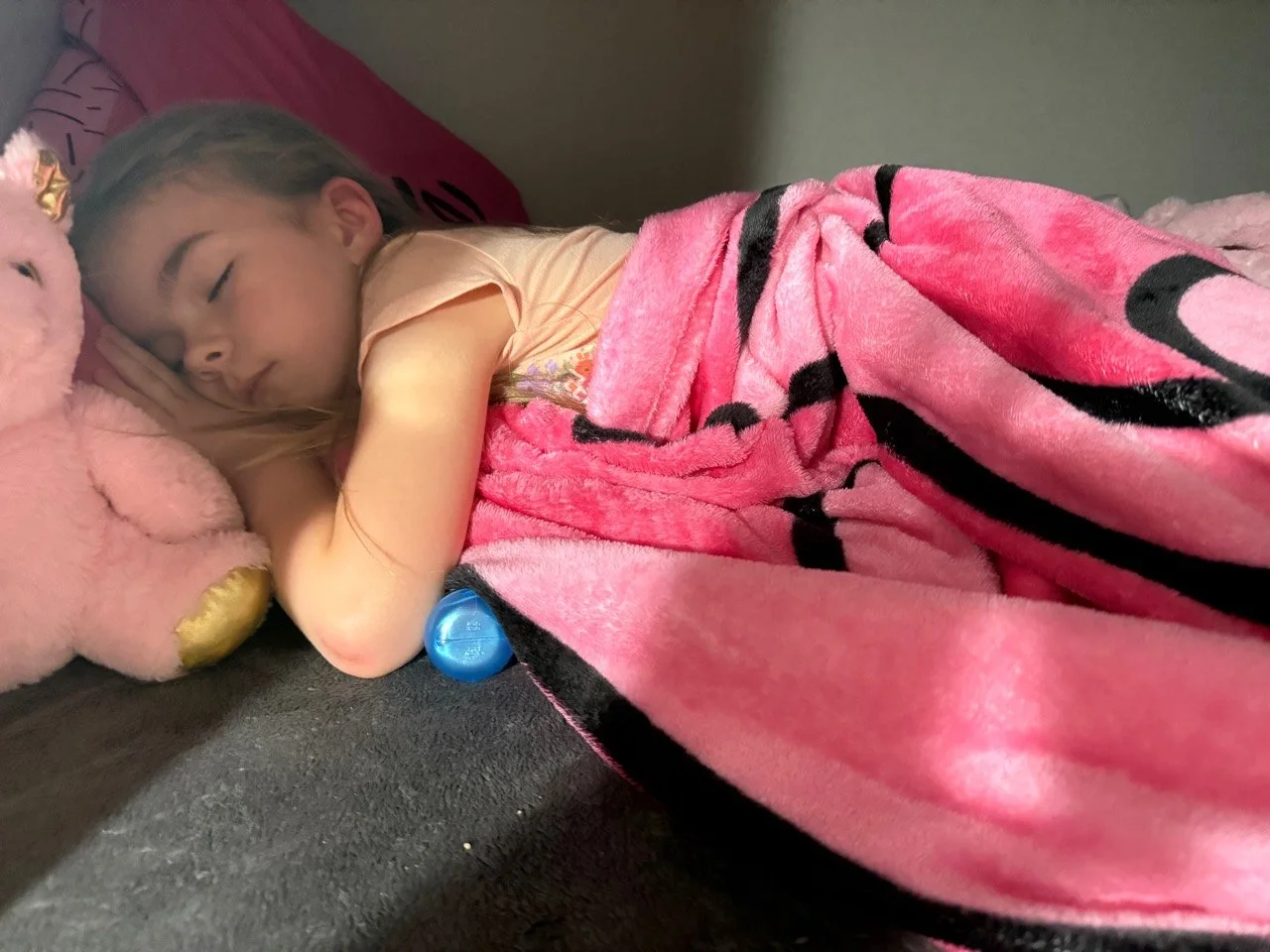
- Listen to your crew: if Sami says, “It feels too tight,” she’s probably right. If my daughter says, “This bunk is fun!” — even better.

5. Must-Haves for Every Family Member
| Family Member | Must-Have Item | Why It Matters |
|---|---|---|
| Sami | Coffee maker + cozy shower | Morning peace and hot water cure all problems |
| Lily | Bunk bed + snack drawer | Keeps the fun rolling |
| Dogs | Space to stretch + cool air vent nearby | Happy tails, quiet nights |
| Me | Easy setup + cold fridge | Keeps me from over-engineering the weekend |
What We’ve Learned So Far
Buying used can save thousands — but only if you buy smart. That “too-good-to-be-true” deal usually comes with a free lesson in repair costs.
We’ve learned to prioritize layout and condition over gadgets and glam. It’s the floor plan and build quality that make a camper livable, not how many blue LEDs it has under the awning.
What We Chose
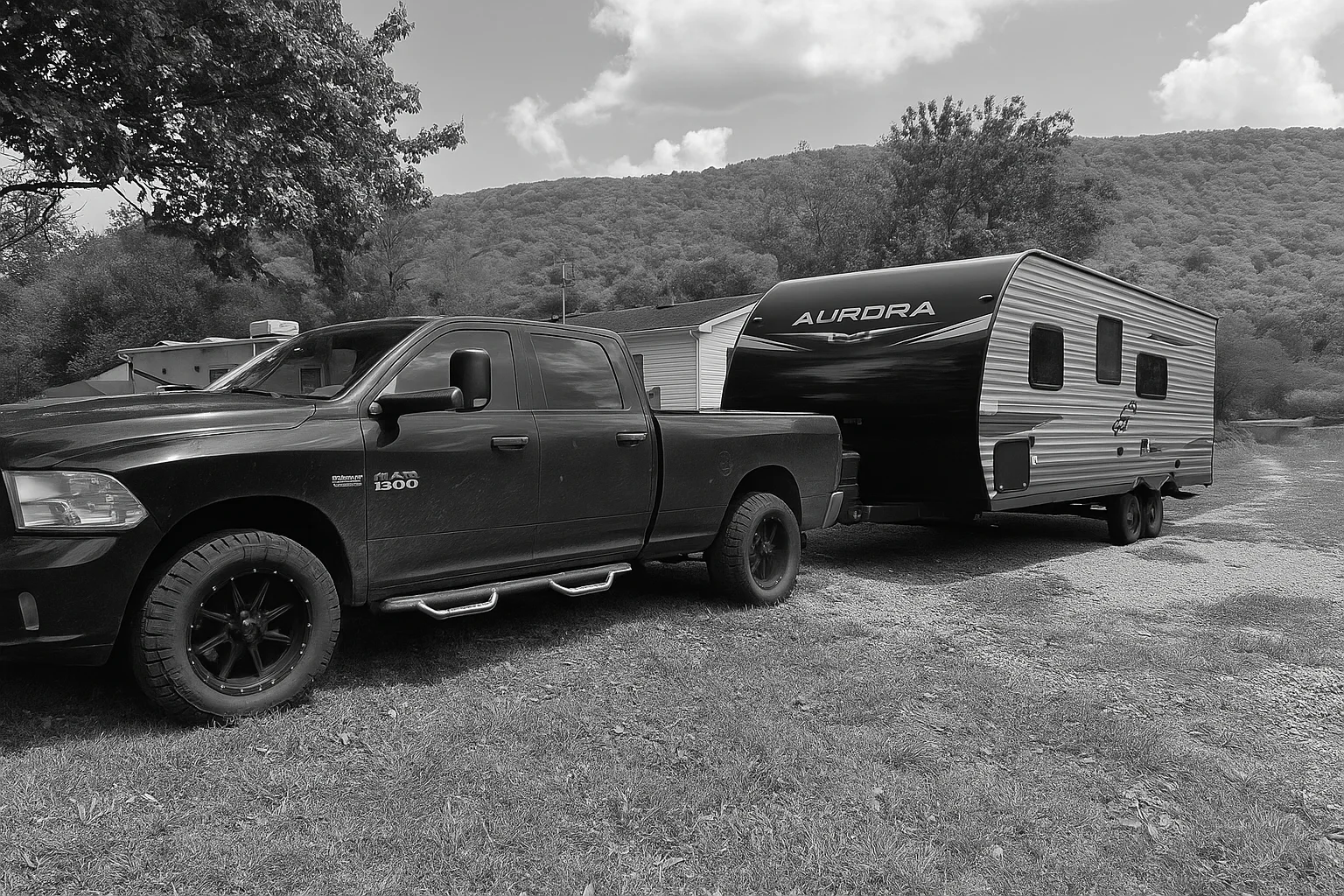
That search led us to the 2026 Aurora Light 26BHS. It gave Lily her bunks, gave the dogs real floor space, and gave all of us enough room to handle a rainy day without climbing over one another. It was not about finding the fanciest camper on the lot; it was about finding the one that fit our family.
Continue our ownership story: Our Camper Was Damaged—Now What? Lessons From an RV Repair Nightmare.